Easy Tunisian Crochet Stitch: Beginner Step-by-Step Guide
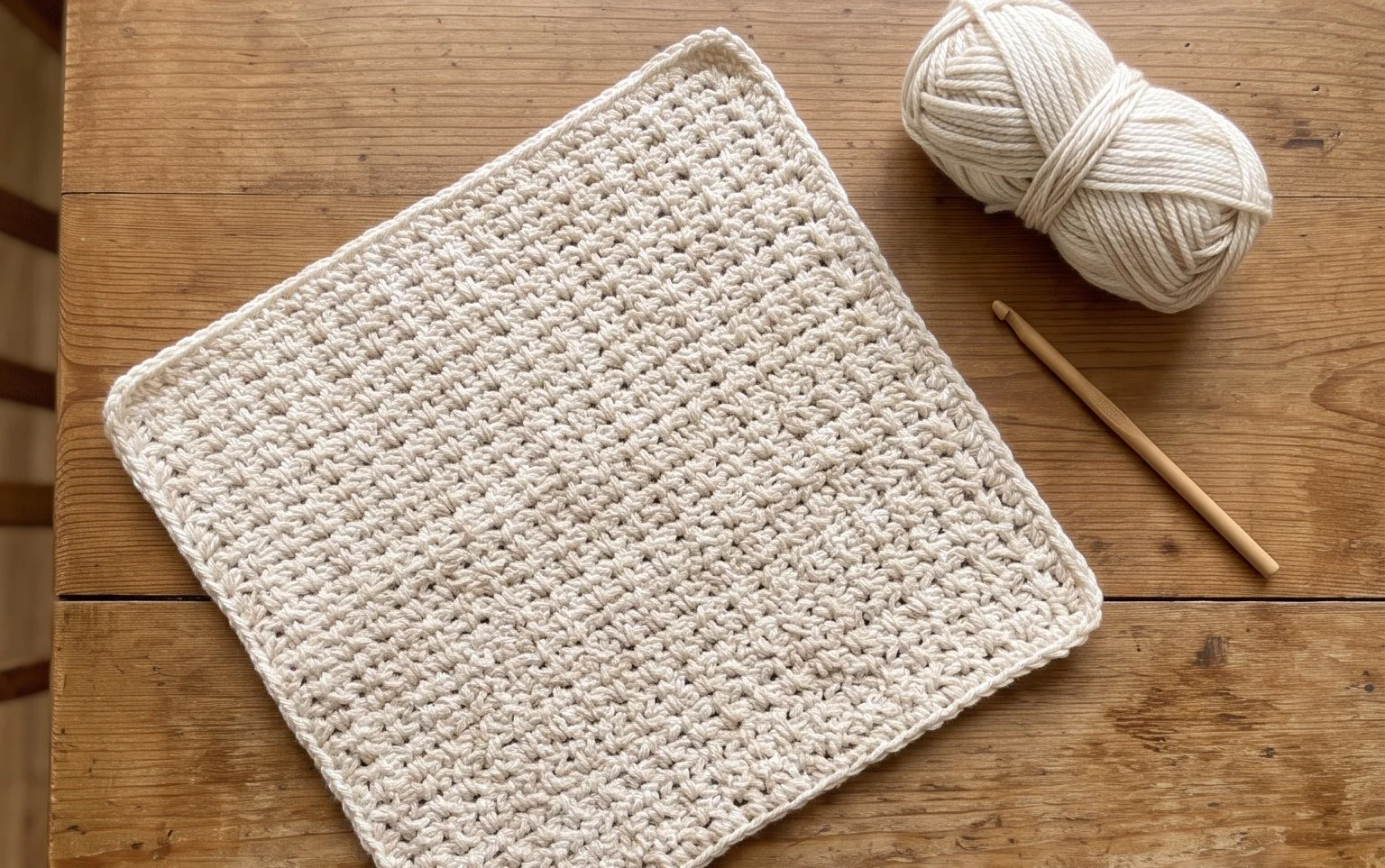
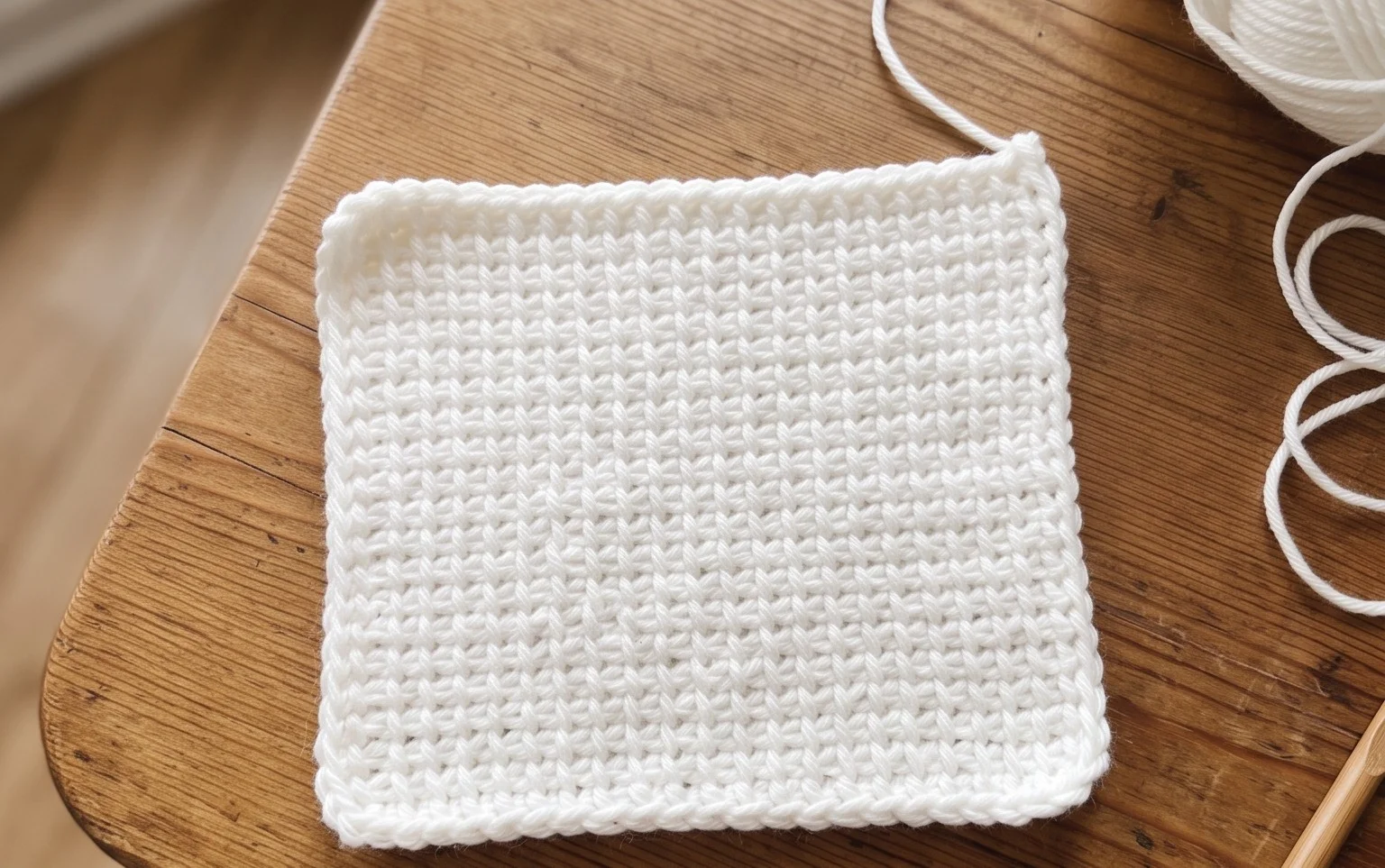
The fabric created by this hook-based technique feels dense and squishy, almost like a piece of hand-woven cloth. You get a thick, warm material that lacks the holes found in standard crochet, making it a reliable choice for washcloths, blankets, or sturdy winter accessories. Beginners often enjoy this method because it keeps all live loops on the tool, providing a visual guide that prevents you from losing your place. You will learn the foundational return pass and forward movement necessary to build a consistent fabric. This skill gives your handmade items a professional, durable finish that holds up well through regular daily use.
Why You’ll Love This Pattern
Creating a classic crochet sphere is the foundation of almost all amigurumi, making this project an essential skill builder for any crafter. This pattern uses simple single crochet stitches worked in continuous rounds, which eliminates the visible seam line often found in row-based projects. Because it relies on basic increases and decreases, it serves as a meditative, low-stress project that you can complete in under an hour. It is also an excellent way to practice maintaining consistent tension, as the tight stitches required for stuffing ensure that no fiberfill peeks through your work.
I finally mastered the magic ring thanks to these clear instructions. The sphere came out perfectly round and held its shape even after I stuffed it firmly.
— Sarah, beginner crafter
Pattern Overview & Skill Level
- Skill Level: Beginner
- Approximate Time: 45 minutes
- Construction: Continuous rounds worked in a spiral starting from a magic ring
- Finished Dimensions: Approximately 3 inches in diameter using worsted weight yarn
Materials & Supplies Needed
- Yarn: Worsted weight #4 cotton or acrylic yarn, approximately 20 yards
- Hook Size: 3.5 mm / E-4 (a smaller hook than recommended on the yarn label creates a dense fabric that prevents stuffing from showing)
- Notions: Polyester fiberfill stuffing, stitch markers, tapestry needle, and scissors
- Safe yarn substitutions: You can use DK weight yarn for a smaller sphere, though you may need to add an extra increase round to reach your desired size. Avoid bulky or super bulky yarns as they create large gaps between stitches that are difficult to close.
Stitch Guide & Abbreviations (US Terms)
- ch: chain
- st/sts: stitch/stitches
- sl st: slip stitch
- sc: single crochet
- inc: 2 sc in the same stitch
- dec: single crochet two stitches together using the invisible decrease method (insert hook into front loops of the next two stitches, yarn over, pull through both, yarn over and pull through remaining two loops)
- MR: magic ring
Step-by-Step Pattern Instructions
Sphere Body
- Rnd 1: Start 6 sc in a MR (6 sts).
- Rnd 2: Inc in each st around (12 sts).
- Rnd 3: [Sc in next st, inc in next st] 6 times (18 sts).
- Rnd 4: [Sc in next 2 sts, inc in next st] 6 times (24 sts).
- Rnd 5: [Sc in next 3 sts, inc in next st] 6 times (30 sts).
- Rnd 6-10: Sc in each st around (30 sts).
- Rnd 11: [Sc in next 3 sts, dec in next st] 6 times (24 sts).
- Rnd 12: [Sc in next 2 sts, dec in next st] 6 times (18 sts).
- Rnd 13: [Sc in next st, dec in next st] 6 times (12 sts).
- Rnd 14: Dec 6 times (6 sts).
Finishing
Once you reach the final round, cut the yarn leaving a 6-inch tail. Use your tapestry needle to weave the tail through the front loops of the remaining 6 stitches. Pull the tail tight to close the opening securely and knot the end inside the sphere. Before closing the final stitches in Rnd 13, ensure the sphere is packed firmly with fiberfill to prevent sagging.
Care & Washing Instructions
- Hand wash your finished item in cool water with a small amount of mild detergent.
- Gently squeeze out excess water using a towel; do not wring or twist the sphere, as this distorts the stuffing.
- Lay the item flat on a dry towel in a well-ventilated area to air dry completely.
Pro Tips & Common Mistakes to Avoid
To keep your sphere perfectly round, use a stitch marker at the beginning of every round to keep track of your progress. If you skip the marker, you will likely lose count, resulting in an uneven shape. Maintain a tight, consistent tension throughout the project; if you notice gaps between your stitches, switch to a smaller hook size. When weaving in your ends, ensure you pull the yarn through the center of the stuffing to anchor it deeply, which prevents the end from poking out over time. To adjust the size of the sphere, simply add or subtract rounds of increases or decreases; however, ensure you maintain an even number of stitches per round to keep the math balanced.
Frequently Asked Questions
Can I use a different yarn weight for this project?
Yes, you can use any yarn weight, but you must adjust your hook size accordingly. Always use a hook 1-2 sizes smaller than the manufacturer recommends to ensure the fabric is dense enough to hold the stuffing.
Is it okay to machine wash the finished sphere?
Machine washing can cause the fiberfill inside to clump or shift. Hand washing is highly recommended to maintain the structural integrity and shape of your project.
What if I have trouble starting with a magic ring?
If a magic ring is difficult, chain 2 and work your initial 6 sc into the second chain from the hook. Pull the yarn tail tight to close the center hole just like you would with a magic ring.
Can I sell items made from this pattern?
You are welcome to sell finished items created from this pattern, provided you credit the designer. Please note that you cannot redistribute the written pattern itself as your own work.
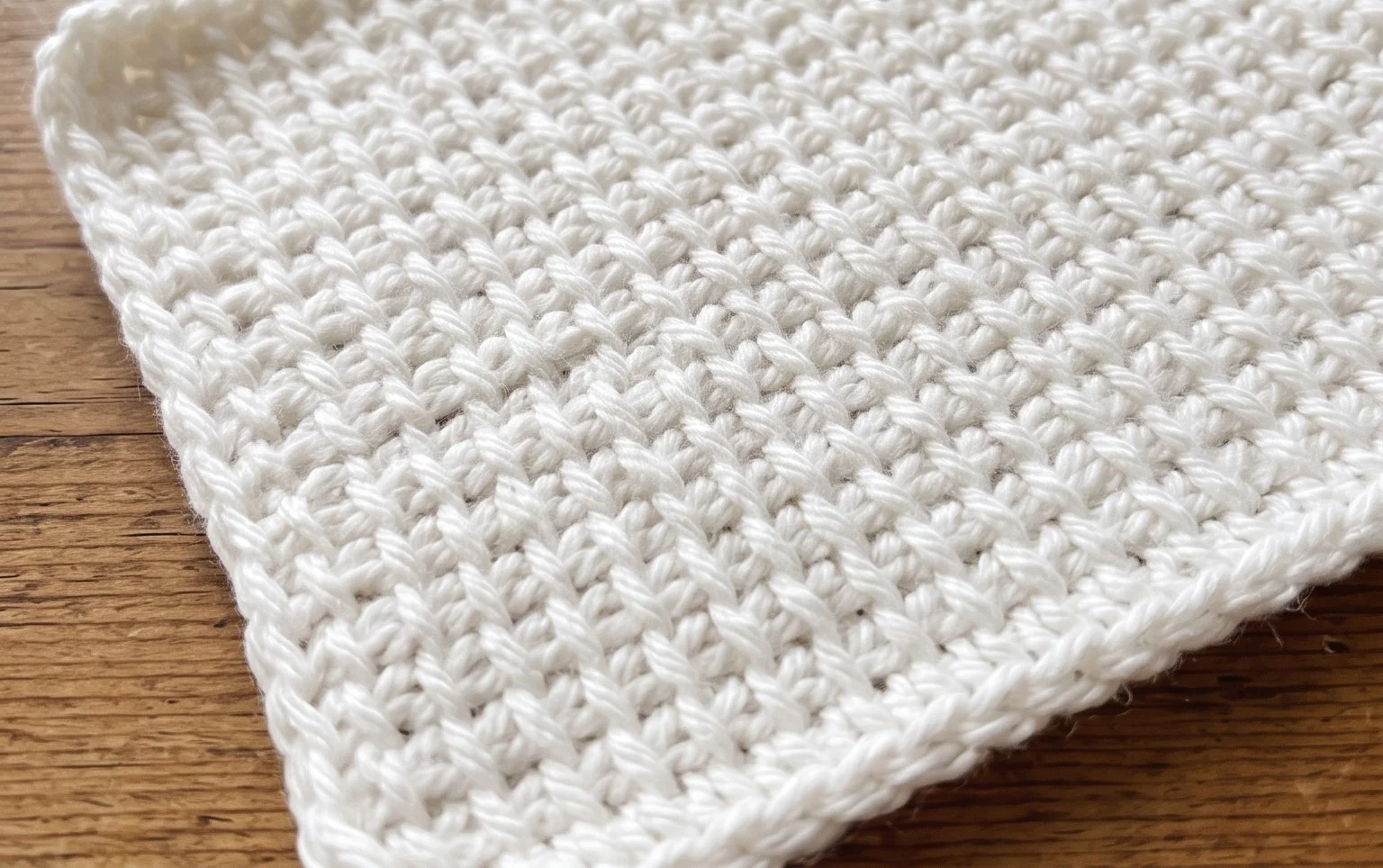
Your finished project now features a dense, thermal texture that serves as a solid base for future items like kitchen potholders or thick coasters. You can experiment with using wool yarn to create an even warmer result or switch to different colors for a striped appearance. Sharing a photo of your work on Instagram or Facebook helps others see how your tension improved with practice. Visit our main archive of projects to find more ways to use your hooks and yarn stash for your next weekend project.