Easy Moss Stitch Dishcloth Pattern for Beginners
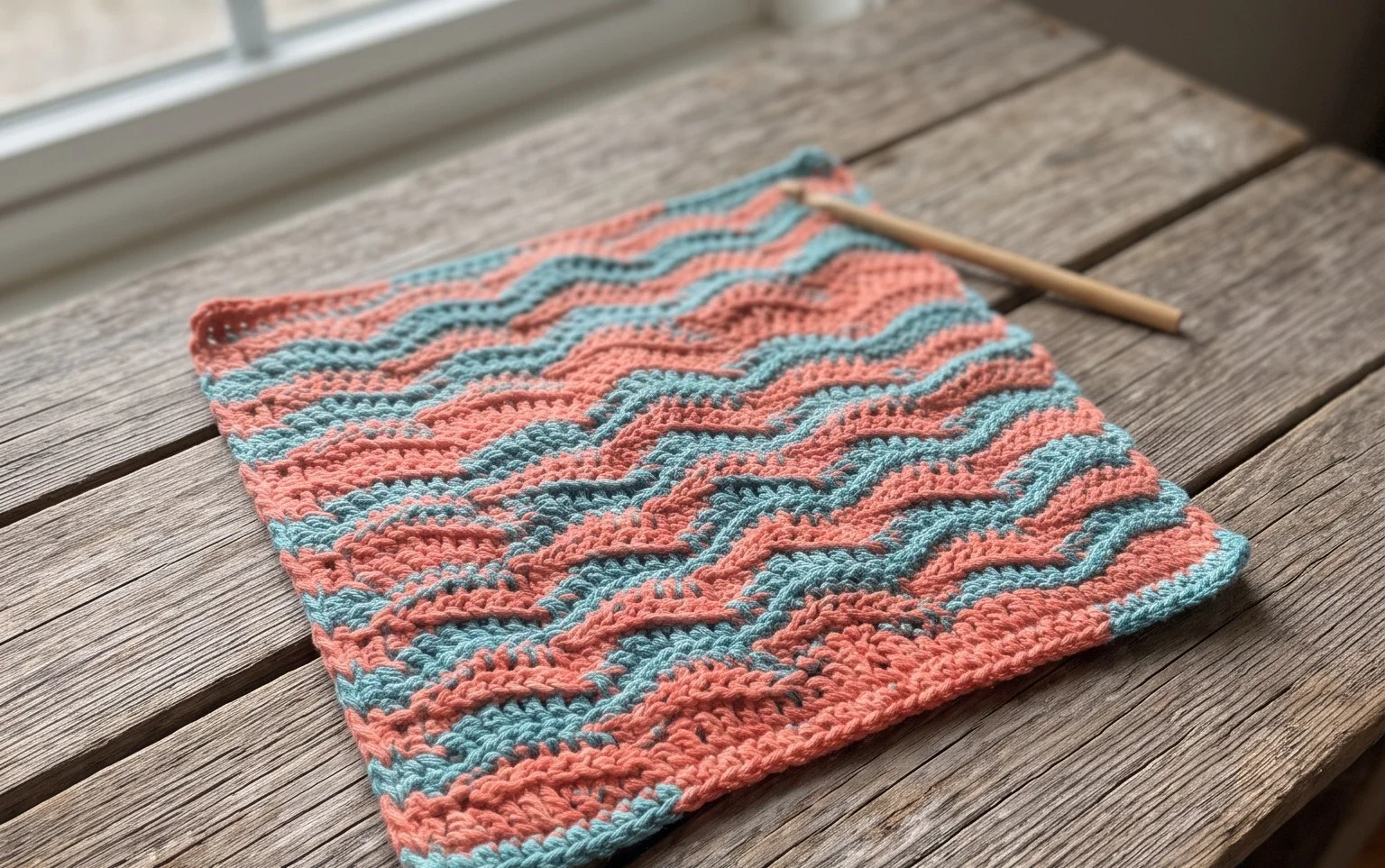
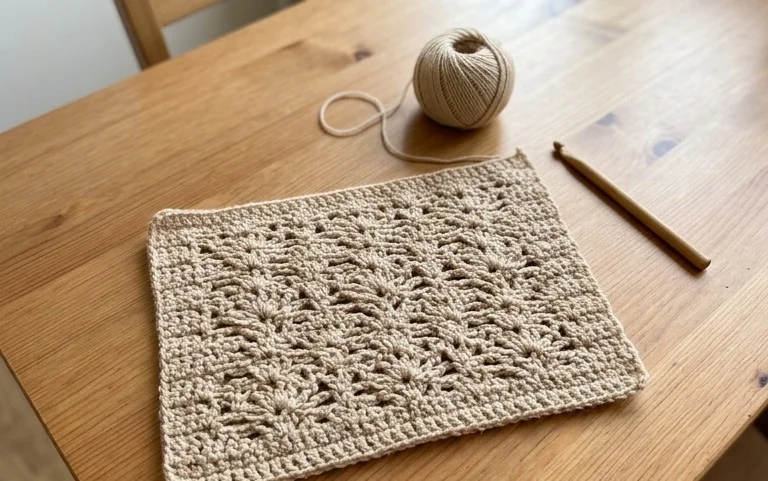
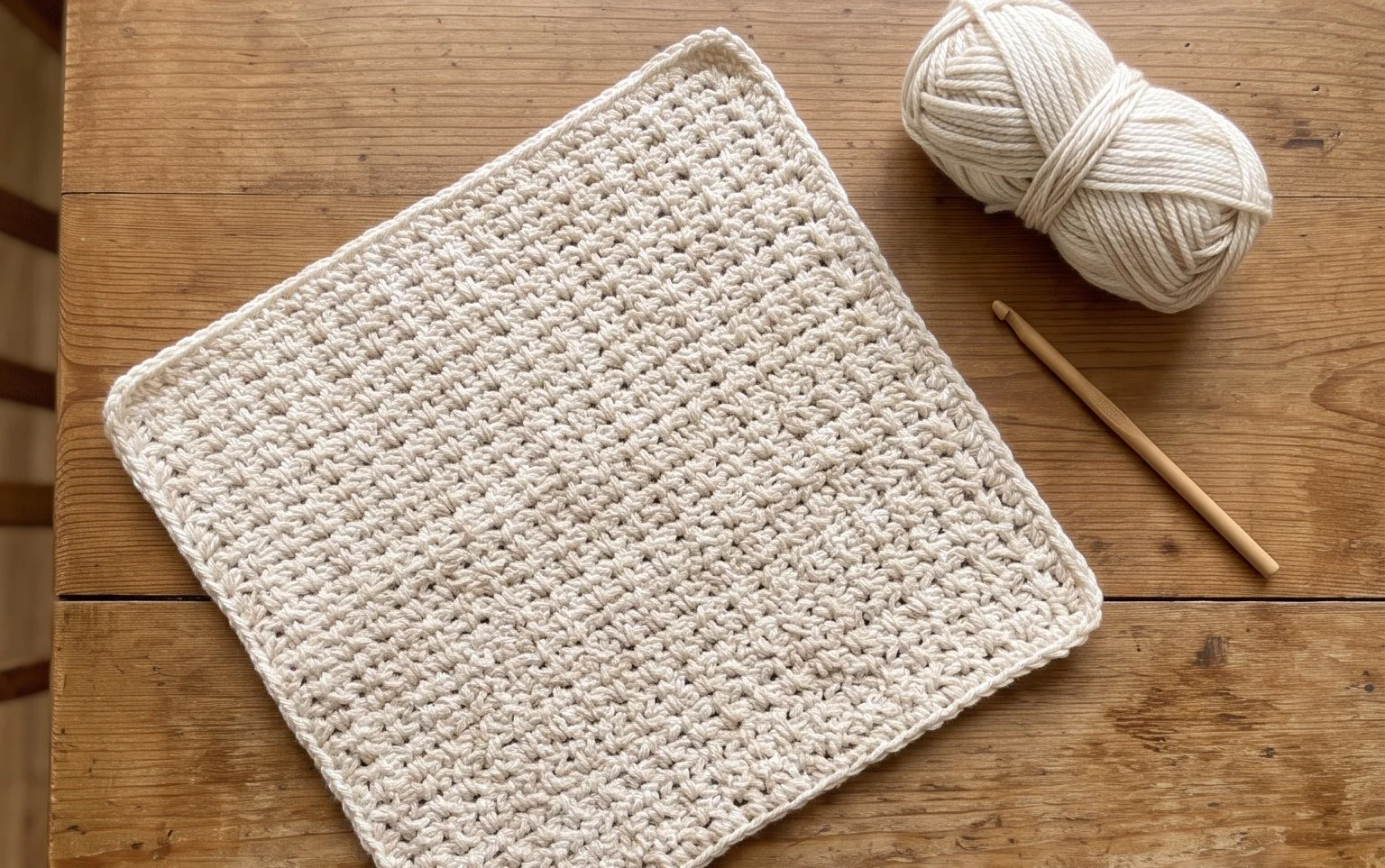
A stack of these handmade cotton washcloths brings a practical, warm touch to any kitchen sink area. The finished fabric has a subtle, pebbled texture that feels substantial in your hand and grips soapy surfaces effectively. This project is a gentle introduction to working in rows because you only ever focus on single crochets and chain spaces. You will find that the rhythmic motion of the hook creates a meditative experience during a quiet afternoon. Whether you are stocking your own home or preparing a thoughtful handmade gift, this design offers a reliable, long-lasting result that you can finish in just one sitting.
Why This Project Is Worth Making
This classic crochet dishcloth pattern relies on the moss stitch, also known as the linen stitch, which creates a dense, durable fabric perfect for scrubbing. Because the stitches are worked into chain spaces rather than the tops of individual stitches, the process moves quickly and feels rhythmic. It is an ideal project for using up leftover cotton yarn from larger home decor items. The resulting texture holds suds well and dries relatively quickly between uses.
I finished these in an afternoon using up some spare cotton yarn. They have held up through dozens of washes and still scrub like new.
— Sarah, home crafter
Pattern Overview & Skill Level
- Skill Level: Beginner
- Approximate Time: 1 to 1.5 hours
- Construction: Worked in flat rows using a simple back-and-forth technique with turning chains
- Finished Dimensions & Sizing: 8 inches by 8 inches square
Materials & Supplies Needed
- Yarn: Worsted weight (#4) 100% cotton yarn, approximately 60 yards per dishcloth. Cotton is essential for heat resistance and absorbency.
- Hook Size: 5.0 mm (H-8) crochet hook.
- Notions: Tapestry needle for weaving in ends, scissors.
- Safe yarn substitutions: You may use a cotton-linen blend for increased durability, though this may make the fabric slightly stiffer. Avoid acrylic yarns, as they are not absorbent and will melt if they touch a hot pan.
Stitch Guide & Abbreviations (US Terms)
- ch: Chain
- sc: Single crochet
- st: Stitch
- sk: Skip
- sp: Space
- turn: Turn your work to begin the next row
- Moss Stitch: A repeating pattern of (sc, ch 1, skip 1) across the row.
Step-by-Step Pattern Instructions
This dishcloth is worked in rows. You will start with a foundation chain that sets the width of the square.
- Foundation: Chain 30.
- Row 1: Sc in the 4th ch from the hook. *Ch 1, skip 1 ch, sc in the next ch. Repeat from * across until the end of the row. Turn your work. (14 sc, 14 ch-1 spaces).
- Row 2: Ch 2, sc in the first ch-1 space. *Ch 1, skip the sc, sc in the next ch-1 space. Repeat from * across, ending with an sc in the last ch-1 space. Turn. (14 sc, 14 ch-1 spaces).
- Rows 3-30: Repeat Row 2 until your piece measures approximately 8 inches square.
- Finishing: Fasten off your yarn, leaving a 6-inch tail. Weave the yarn end securely through the stitches using a tapestry needle.
Care & Washing Instructions
- Machine wash your dishcloths in warm water with like colors to prevent dye bleeding.
- Tumble dry on a low setting or lay flat on a drying rack to maintain the square shape.
- Avoid using fabric softener, as it leaves a waxy coating on the cotton fibers that reduces the absorbency of the cloth.
Pro Tips & Common Mistakes to Avoid
- Keep your tension consistent throughout the rows to prevent the edges from pulling inward or ruffling. If you tend to crochet tightly, use a hook one size larger than recommended.
- Place a stitch marker at the start of each row to help you identify the final chain space, which can sometimes be difficult to spot for beginners.
- When weaving in ends, run the needle through the base of the stitches in two different directions to ensure the yarn does not pull out during heavy scrubbing.
- To adjust the size, start with an even number of chains for your foundation. Adding or subtracting two chains will change the width by approximately one-half inch. Note that changing the size will require more or less yarn than the stated 60 yards.
Frequently Asked Questions
Can I use a larger hook for this pattern?
Using a larger hook will result in a looser, more open fabric. While this makes the dishcloth work up faster, it will be less effective for scrubbing stubborn food particles.
How do I know if I have enough yarn?
If you are unsure if your scrap ball is large enough, weigh it on a digital kitchen scale before starting. If it weighs less than 30 grams, you may run out before finishing the final rows.
Is this pattern suitable for complete beginners?
Yes, this is an excellent starter project. It uses only the chain stitch and single crochet, and there are no complicated increases or decreases required to maintain the shape.
Am I allowed to sell the dishcloths I make from this pattern?
You are welcome to sell finished items made from this pattern. I ask that you credit the design and use your own photographs to represent your work.
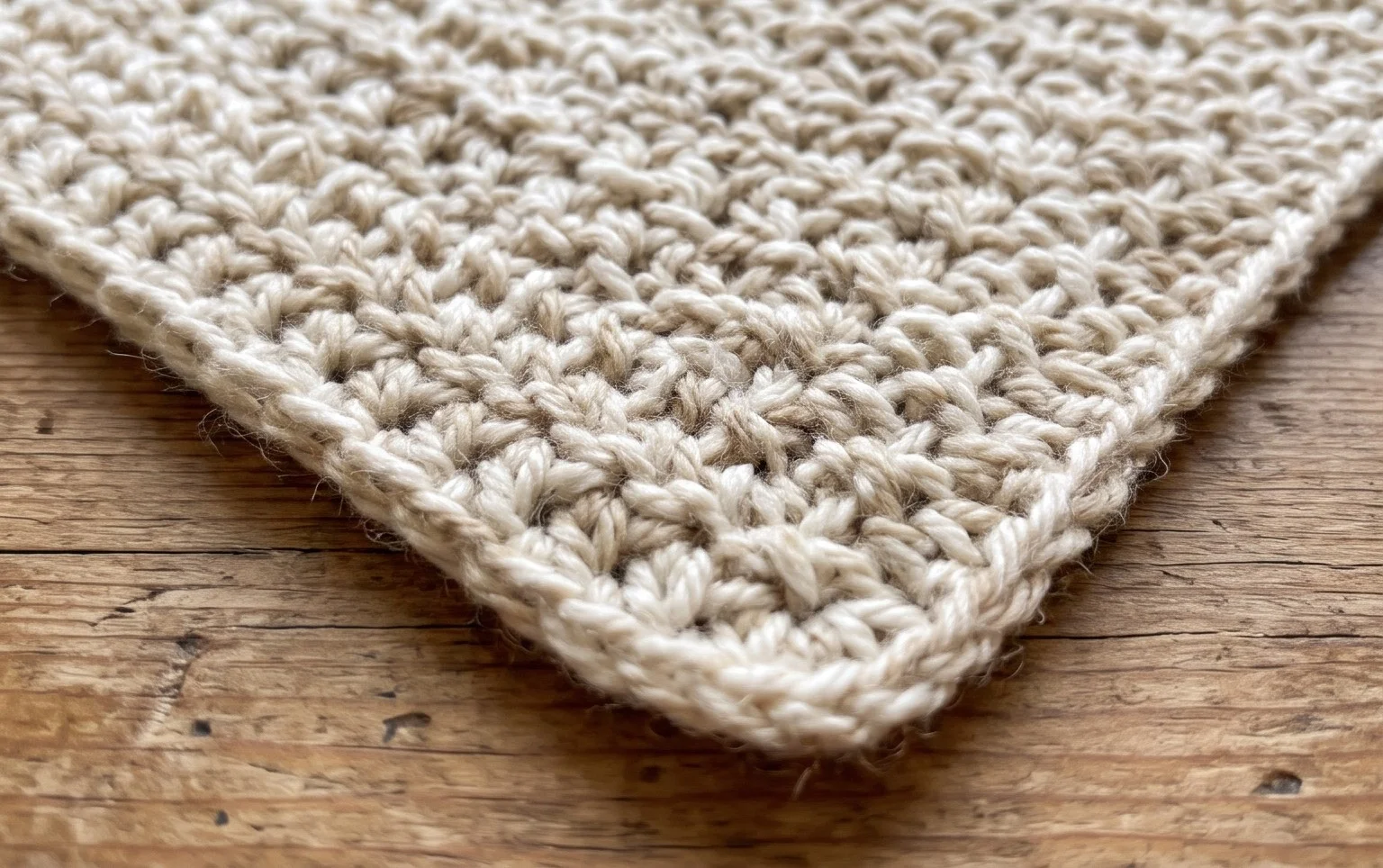
Your new scrubby cloth is ready to tackle heavy pots and delicate glassware alike. If you want to experiment, try using two contrasting colors of cotton yarn to create thin stripes every four rows for a modern kitchen look. You might also increase the starting chain to make a larger version for a washcloth or face towel. Please share a photo of your finished work on your favorite social media platform so others can find inspiration. I invite you to explore the rest of my blog for more simple, everyday crochet patterns to build your skills.