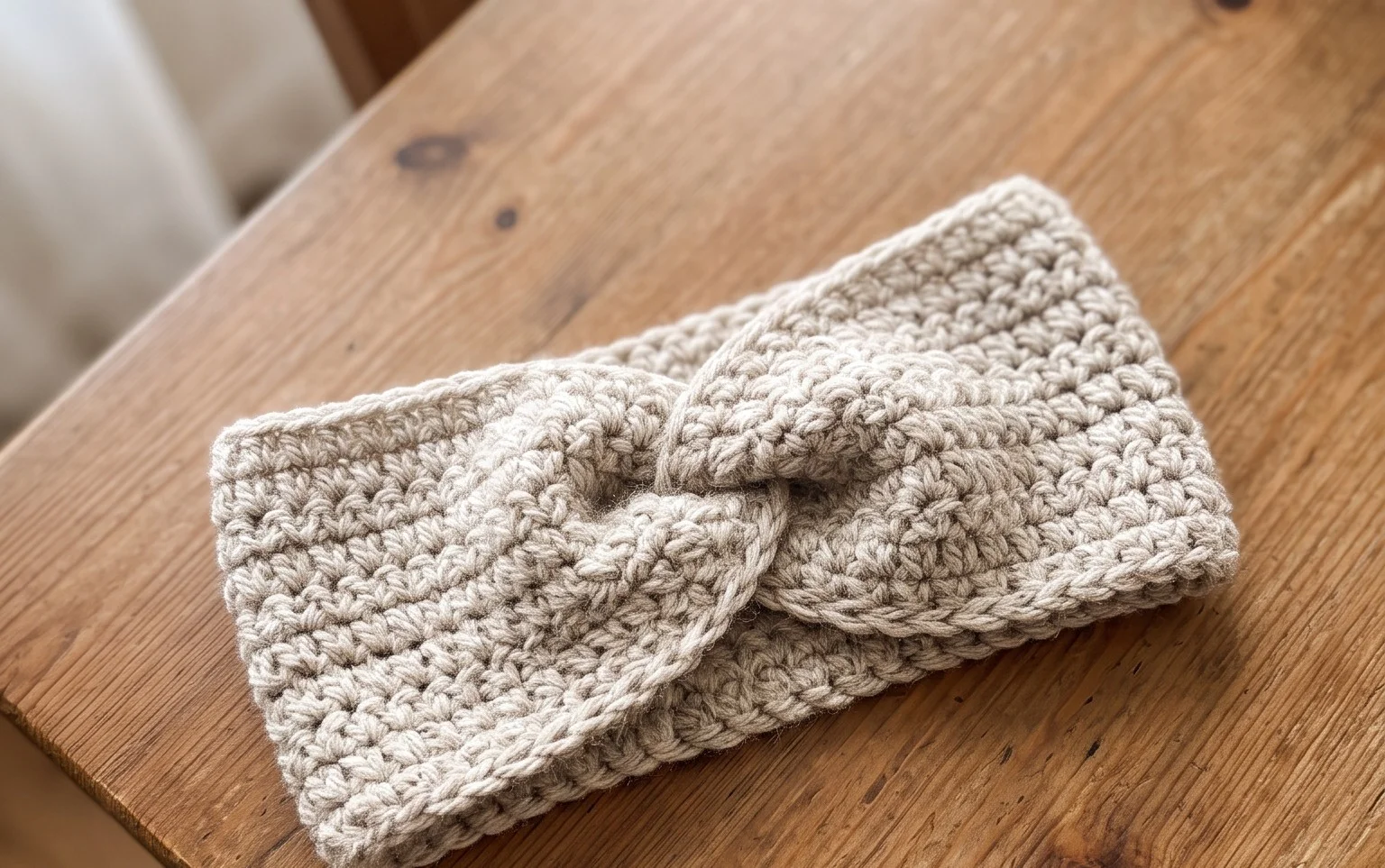
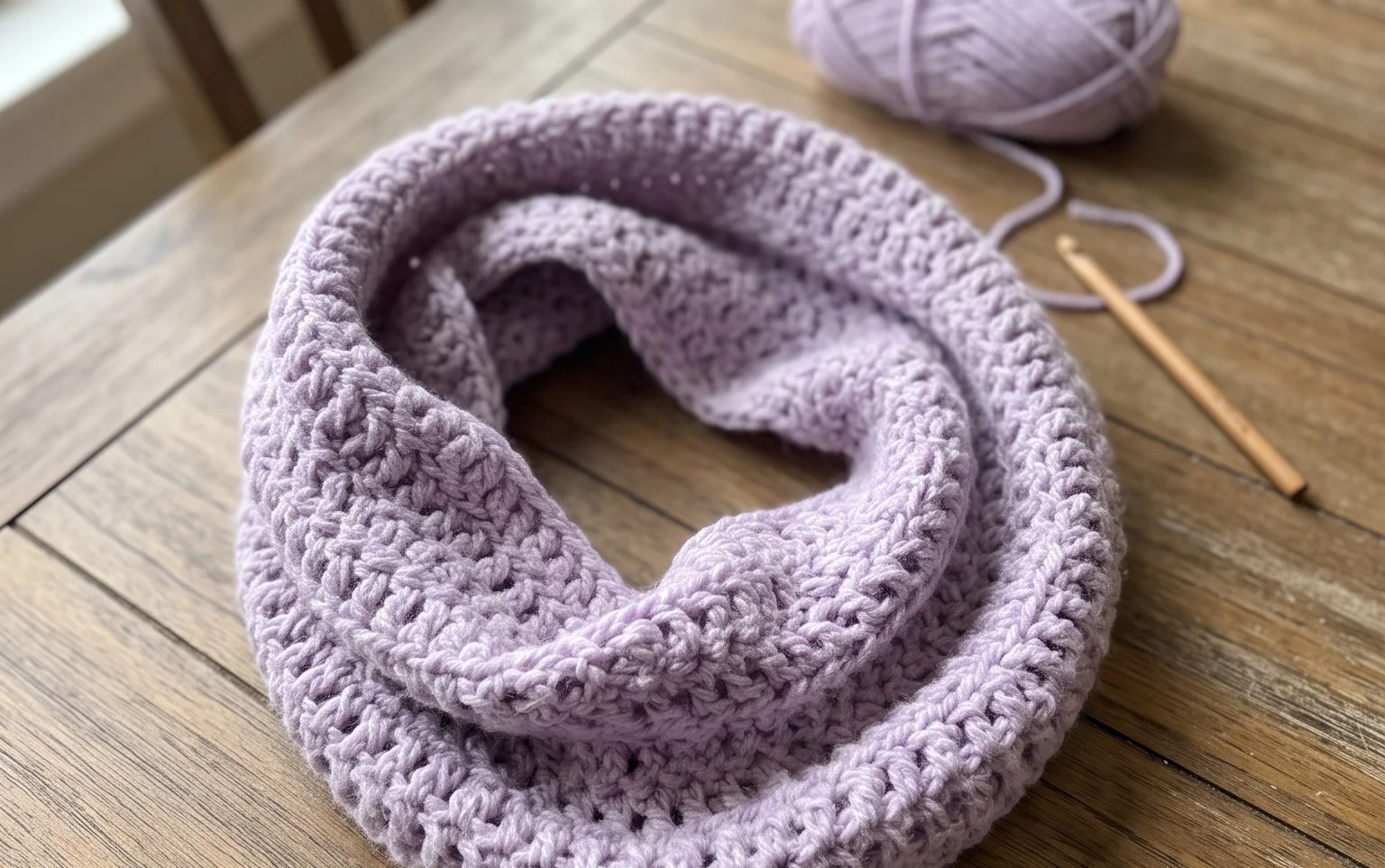
Easy Crochet Mittens: Free Pattern & Step-by-Step Guide
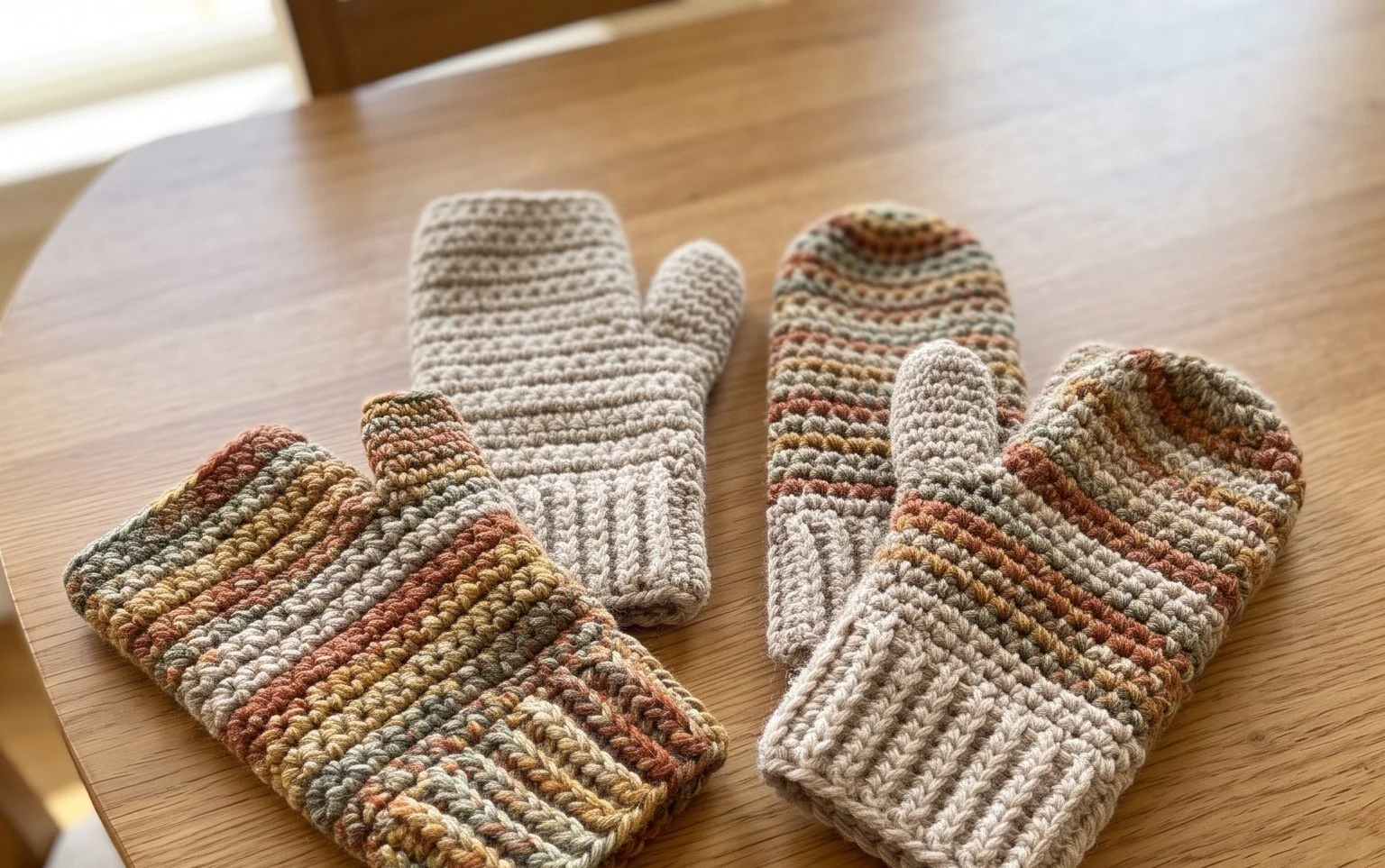
Cold mornings turn much warmer when you pull on a pair of thick, handmade wool mittens that block the wind and keep your fingers flexible. These hand-warmer covers provide a tight fabric that prevents heat from escaping, making them an excellent choice for winter commutes or long walks in the snow. You will find that the construction relies on a simple half-double crochet stitch worked in the round to create a seamless finish. This project suits someone with limited time because you can finish the pair over a single weekend. Making your own winter gear gives you full control over the fit and the specific fiber choice against your skin.
Why You’ll Love This Pattern
This classic crochet dishcloth is designed to be the ultimate workhorse in your kitchen. It uses a dense, textured stitch pattern that provides excellent scrubbing power for pots and pans while remaining gentle on your hands. Because it is worked in a simple repeat, it serves as a meditative project you can pick up for a few minutes at a time. The square shape is efficient to crochet, making it an ideal choice for using up small amounts of leftover cotton yarn. You can complete a single cloth in under two hours, which makes this an accessible project for those new to crochet who want to practice maintaining even tension.
I made five of these as gifts for a bridal shower and they have held up beautifully through dozens of laundry cycles. The texture is much better than the flimsy store-bought versions.
— Sarah, home cook
Pattern Overview & Skill Level
- Skill Level: Beginner
- Approximate Time: 1.5 to 2 hours
- Construction: Worked in rows back and forth, starting from a foundation chain and finishing with a simple border.
- Finished Dimensions & Sizing: 8 inches by 8 inches square.
Materials & Supplies Needed
- Yarn: Worsted weight (#4) 100% cotton yarn, approximately 75 yards per cloth.
- Hook Size: 5.0 mm (H-8).
- Notions: Tapestry needle for weaving in ends, scissors, and a measuring tape.
- Safe Yarn Substitutions: You may use a cotton-linen blend for increased durability, though this may make the fabric slightly stiffer. Avoid acrylic yarns as they do not absorb water effectively and will melt near hot surfaces.
Stitch Guide & Abbreviations (US Terms)
- ch = chain
- sc = single crochet
- dc = double crochet
- st/sts = stitch/stitches
- sk = skip
- rep = repeat
- sl st = slip stitch
- Moss Stitch: A combination of single crochet and chain stitches where the single crochet is worked into the chain space of the previous row.
Step-by-Step Pattern Instructions
Main Body
The dishcloth is worked in rows to create a dense moss stitch fabric. Ensure you keep your tension consistent to maintain the 8-inch square shape.
- Row 1: Ch 32. Sc in the 4th ch from the hook. *Ch 1, sk 1 ch, sc in the next ch. Rep from * across, ending with a sc in the last ch. (16 sc, 15 ch-1 spaces).
- Row 2: Ch 2, turn. Sc in the first ch-1 space. *Ch 1, sk 1 sc, sc in the next ch-1 space. Rep from * across, ending with a sc in the turning chain space. (16 sc, 15 ch-1 spaces).
- Rows 3–40: Repeat Row 2 until the piece measures 8 inches in height.
Border and Finishing
Adding a simple border prevents the edges from curling and provides a polished look to your finished dishcloth.
- Round 1: Ch 1, turn. Work 3 sc in the corner stitch. Evenly space sc stitches around all four sides of the cloth, working 3 sc into each of the other three corners to keep the piece flat. Join with a sl st to the first sc.
- Finishing: Fasten off, leaving a 6-inch tail. Use your tapestry needle to weave the tail back and forth through the stitches on the back side of the work to secure it. Trim the excess yarn.
Care & Washing Instructions
- Machine wash in warm water on a gentle cycle using mild detergent.
- Tumble dry on low heat or lay flat on a towel to air dry for best shape retention.
- Reshape the cloth by pulling the corners gently while it is still damp to ensure it remains a perfect square.
Pro Tips & Common Mistakes to Avoid
- Maintain consistent tension throughout the row; if you pull your chain stitches too tight, the fabric will shrink and lose its square shape.
- Use a stitch marker on the first stitch of every row to ensure you do not accidentally skip the final stitch, which causes the edges to slant.
- Weave your ends in multiple directions—diagonally and then horizontally—to ensure the yarn does not pull out during heavy-duty scrubbing.
- Adjusting the size is simple: use an even number of chains for your foundation row. Increasing your starting chain by 2 adds approximately half an inch to the width.
Frequently Asked Questions
Can I use a larger hook for this pattern?
Using a larger hook will result in a looser, more open fabric. While this makes the project faster, it reduces the scrubbing efficacy of the dishcloth. Stick to the 5.0 mm hook for the best density.
Is this pattern suitable for complete beginners?
Yes, this is an excellent starter project. It only requires the single crochet stitch and chain stitch, allowing you to focus entirely on maintaining even tension without learning complex increases or decreases.
Can I sell the dishcloths I make from this pattern?
You are welcome to sell finished items made from this pattern as long as you credit the original design. Please use your own photographs rather than copying images from this tutorial.
What if my cloth starts looking like a trapezoid?
This usually happens due to missing stitches at the ends of rows. Always count your stitches at the end of each row to ensure you have the same number you started with.
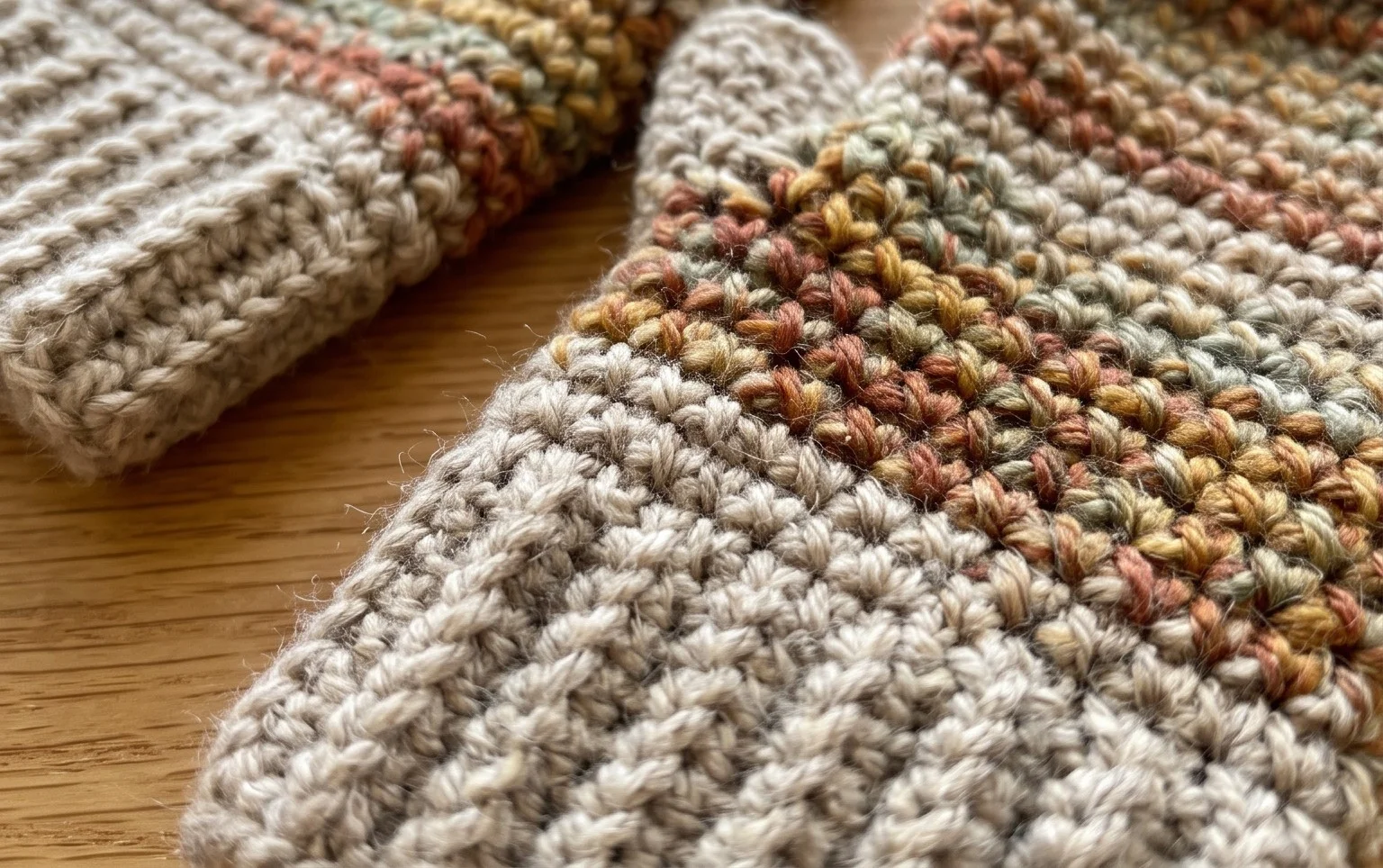
Your finished mittens should fit snugly around the palm while leaving enough room to wiggle your fingers comfortably for dexterity. Consider working these in a wool and alpaca blend for extra heat retention or add a color-blocked cuff to match your favorite winter coat. Upload a photo of your completed pair to your social media page so others can see your work. Feel free to browse the rest of the blog for more winter accessory projects to round out your handmade wardrobe during the coldest months of the year.